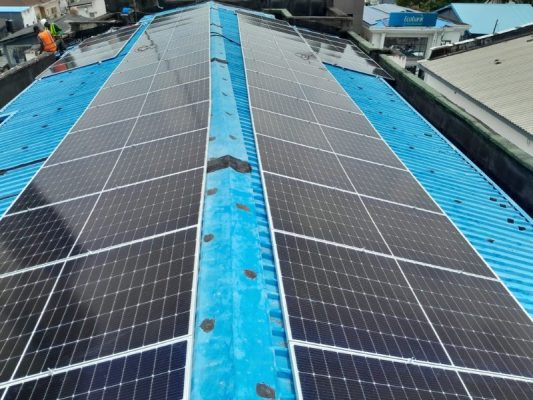
In recent years, rooftop solar installation has become one of the fastest-growing energy solutions for homes and businesses. As electricity costs continue to rise and power supply becomes increasingly unreliable in many areas, more people are turning to solar energy as a dependable alternative.
However, alongside this growth, there have also been increasing concerns about the safety of rooftop solar installations. Some homeowners worry about the weight of solar panels on their roof, potential electrical hazards, or the risk of roof damage.
So the important question many people ask is: Is rooftop solar installation safe?
The answer is yes — rooftop solar systems are very safe when they are professionally designed and installed. In fact, millions of homes and commercial buildings around the world safely use rooftop solar every day.
In this article, we will explain why rooftop solar installations are safe, what safety measures are involved, and how choosing the right solar installer ensures long-term reliability and peace of mind.
Understanding Rooftop Solar Systems
A rooftop solar system works by converting sunlight into electricity using solar panels installed on the roof of a building. The electricity generated flows through an inverter, which converts it into usable power for household appliances, lighting, electronics, and business equipment.
Most rooftop solar systems include the following components:
- Solar panels
- Mounting structures
- Inverter system
- Battery storage (optional)
- Electrical wiring and protection devices
When properly installed, these components work together to provide reliable and safe energy for many years.
Why Rooftop Solar Installation Is Safe
1. Solar Panels Are Designed for Extreme Conditions
Solar panels are built to withstand harsh weather conditions. Manufacturers design them to survive heavy rain, high winds, heat, and other environmental factors.
Most high-quality solar panels undergo strict testing before reaching the market, including:
- Wind resistance tests
- Impact tests (for hail and debris)
- Temperature stress tests
- Water resistance tests
Because of these rigorous standards, solar panels are extremely durable and capable of lasting 25 years or more.
2. Solar Panels Are Lighter Than Most People Think
One of the most common concerns about rooftop solar is whether the roof can support the weight of the panels.
In reality, solar panels are relatively lightweight. On average, a solar panel system adds about 10–20 kilograms per square meter to a roof.
Most residential roofs are already designed to handle significantly heavier loads from roofing materials, water, and other structural elements. When installed properly, solar panels pose no risk to the building structure.
Professional solar installers also assess the roof condition before installation to ensure it is suitable for the system.
3. Secure Mounting Systems Protect the Roof
Solar panels are not simply placed on top of the roof — they are installed using specially designed mounting structures.
These mounting systems:
- Secure the panels firmly to the roof
- Distribute weight evenly
- Prevent movement during strong winds
- Protect the roof surface
Professional installers also seal all mounting points properly to prevent water leakage. This ensures the roof remains intact and protected even after installation.
4. Solar Systems Include Electrical Safety Protections
A properly installed solar system includes several electrical safety components designed to prevent hazards.
These safety protections include:
- Circuit breakers
- Surge protection devices
- Grounding systems
- Isolators and safety switches
- Properly insulated wiring
These components help prevent electrical faults, overheating, and power surges.
Just like any standard electrical installation in a building, solar systems follow established electrical safety standards to ensure safe operation.
5. Fire Risk Is Extremely Low
Some people worry that solar panels could cause fires. In reality, the risk is extremely low when installations are done correctly.
Most fire-related incidents associated with solar systems occur due to poor installation practices, low-quality equipment, or improper wiring.
Professional solar companies prevent these issues by:
- Using certified components
- Following proper electrical standards
- Installing correct grounding systems
- Testing the system thoroughly before activation
When these standards are followed, rooftop solar systems are just as safe as any other electrical system in your home.
6. Solar Systems Require Minimal Maintenance
Another reason rooftop solar systems are considered safe is that they require very little maintenance.
Unlike generators, which involve fuel, moving parts, and mechanical wear, solar systems operate quietly and with minimal physical stress on components.
Basic maintenance typically includes:
- Cleaning solar panels occasionally
- Inspecting electrical connections
- Checking inverter performance
- Monitoring battery health (if applicable)
These simple maintenance practices ensure the system continues operating safely and efficiently.
The Role of Professional Solar Installation
While rooftop solar systems are inherently safe, the quality of installation plays a critical role in ensuring long-term safety and performance.
Many safety concerns arise when systems are installed by inexperienced technicians who cut corners or use substandard materials. This is why it is important to work with professionals who specialize in solar system design and installation.
If you are planning to switch to solar energy, explore our Solar Installation Services to see how we design safe and reliable systems for homes and businesses.
Regular Maintenance Keeps Solar Systems Safe
Like any electrical system, solar installations perform best when properly maintained. Routine inspections help ensure wiring, panels, and inverters continue working efficiently.
Professional servicing also helps detect potential issues early before they affect system performance.
You can learn more about how we keep systems running efficiently through our Solar Maintenance Services, which include inspection, cleaning, and performance testing.
What Happens If a Solar System Develops a Fault?
Although solar systems are highly reliable, occasional issues can occur due to aging components, wiring faults, or environmental factors.
When this happens, professional troubleshooting and repairs are essential to restore system performance safely.
Our Solar Repair Services help diagnose and fix inverter issues, wiring problems, and system faults to keep your solar system operating reliably.
Final Thoughts
Concerns about rooftop solar safety are understandable, especially for homeowners considering the technology for the first time. However, modern solar systems are built with safety, durability, and efficiency in mind.
With proper installation, secure mounting systems, and electrical safety protections, rooftop solar systems operate safely for decades while providing reliable power and significant energy savings.
As more homes and businesses seek energy independence, rooftop solar continues to prove itself as one of the safest and most practical energy solutions available today.