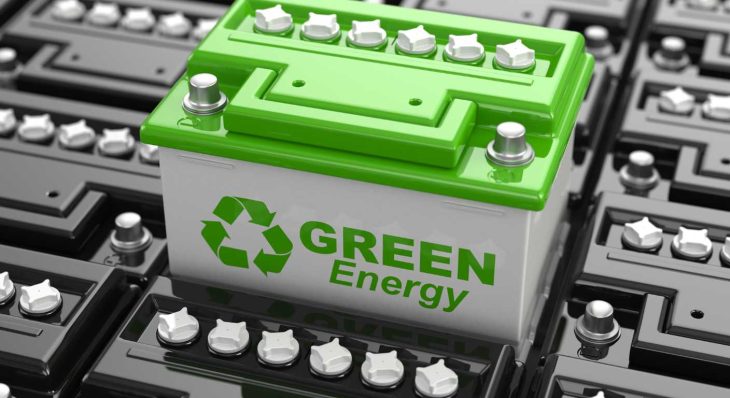
Many homeowners and businesses invest in inverter battery systems expecting them to last for several years. However, it is common to hear people complain that their batteries fail much earlier than expected.
In reality, inverter batteries are designed to last between 3 to 7 years depending on the type and usage conditions. Unfortunately, several factors can shorten their lifespan significantly.
Understanding these factors can help you protect your investment and get the best performance from your battery system.
1. Poor Charging Habits
One of the most common reasons batteries fail early is improper charging. When batteries are constantly undercharged or overcharged, their internal chemical structure begins to degrade.
This can lead to:
- Reduced battery capacity
- Shorter backup time
- Faster battery wear
Using a properly configured inverter and charge controller helps maintain the correct charging levels.
2. Frequent Deep Discharging
Batteries are not designed to be completely drained regularly. When a battery is frequently discharged to very low levels, it stresses the internal plates and shortens the overall lifespan.
For best performance, batteries should ideally be discharged within recommended limits rather than completely drained.
3. High Temperature and Poor Ventilation
Heat is one of the biggest enemies of battery life. When batteries are placed in poorly ventilated areas or exposed to high temperatures, their internal components deteriorate faster.
Proper ventilation and cool environments help batteries maintain stable performance over time.
4. Poor Quality Batteries
Not all batteries are manufactured to the same standard. Low-quality batteries often use cheaper materials and may lack proper quality control.
As a result, they tend to:
- Lose capacity quickly
- Fail prematurely
- Provide unreliable backup power
Investing in reputable battery brands can significantly improve lifespan and performance.
5. Lack of Regular Maintenance
Some batteries require periodic maintenance to operate efficiently. For example, certain battery types require water level checks and cleaning of terminals.
Neglecting maintenance can cause:
- Corrosion
- Reduced charging efficiency
- Permanent battery damage
Routine inspection helps detect small issues before they become serious problems.
6. Incorrect Battery Sizing
Using a battery that is too small for the power load can also shorten its life. When the system demand exceeds the battery capacity, the battery is forced to work harder than designed.
This leads to:
- Faster discharge cycles
- Increased internal stress
- Reduced lifespan
Proper system design ensures the battery capacity matches the power demand.
7. Unstable Power Supply
In areas with unstable electricity supply, batteries often experience irregular charging patterns. Constant fluctuations in grid power can stress battery systems and reduce their efficiency over time.
This is one reason many people combine batteries with solar energy systems, which provide more stable charging conditions.
How to Make Your Battery Last Longer
To extend the life of your inverter battery, consider the following tips:
- Use high-quality batteries from trusted brands
- Install proper charging and protection systems
- Avoid deep discharging whenever possible
- Ensure good ventilation around the battery
- Perform regular maintenance and inspections
- Work with experienced solar professionals
Final Thoughts
While inverter batteries are designed to last several years, poor usage practices, environmental conditions, and low-quality components can shorten their lifespan significantly.
By understanding the common causes of battery failure and following proper maintenance practices, homeowners and businesses can maximize battery performance and avoid unnecessary replacement costs.
If you want reliable backup power, investing in a properly designed solar and battery system can make a significant difference in long-term energy stability.